
Claims Escalation De-Escalation Training

Claims Escalation De-Escalation Training
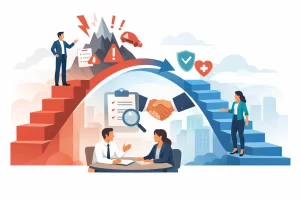
An injured worker says the claim has been ignored, a provider office cannot get a clear authorization answer, and an employer demands an immediate restriction decision. None of these moments begins as a litigation file. Yet each can become one when uncertainty, delayed communication, or a dismissive interaction raises the temperature. Claims escalation de escalation training prepares workers’ compensation professionals to recognize that turning point and respond before conflict becomes…


Read More

How to Improve Claim Intake Without Delaying Care

How to Improve Claim Intake Without Delaying Care

An injured employee’s first call after an incident often determines whether the claim begins with clarity or confusion. When the intake experience feels rushed, impersonal, or disorganized, the organization may inherit avoidable delays, anxiety, medical friction, and attorney involvement. Knowing how to improve claim intake is not simply a matter of collecting better forms. It is an operational discipline that connects technical accuracy, respectful communication, and early recovery planning. For…

Read More

How to Reduce Workers Comp Litigation Costs

How to Reduce Workers Comp Litigation Costs

An attorney referral is rarely caused by one claim decision alone. It is more often the result of accumulated uncertainty: a call that was not returned, a benefit that was not explained, a worker who feels disbelieved, or a return-to-work plan that appears to have been designed without them. Organizations that want to reduce workers comp litigation must address those points of friction before they become a dispute strategy. Litigation…

Read More

Claims Onboarding Curriculum Design That Performs

Claims Onboarding Curriculum Design That Performs

A new claims professional can learn a claim system in days and still mishandle the moment that determines the claim’s direction: the first meaningful conversation with an injured worker. That gap is why claims onboarding curriculum design cannot be treated as a checklist of policies, screens, and job aids. It is an operational system for developing judgment, communication discipline, and technical competence before inconsistent handling becomes a portfolio-level problem. For…

Read More

Examples of Recovery-Focused Claims That Work

Examples of Recovery-Focused Claims That Work

A claim can be technically compliant and still fail the injured worker. When communication is late, expectations are unclear, or the worker feels reduced to a file number, recovery can stall even when medical care is appropriate. The most useful examples of recovery focused claims show a different operating standard: claims management that connects statutory obligations, clinical coordination, employer action, and human communication to a practical recovery outcome. Recovery-focused claims…

Read More

Claims Professional Development Roadmap That Works

Claims Professional Development Roadmap That Works

A claims professional development roadmap is not a course catalog, a compliance checklist, or a collection of annual CE credits. It is an operating plan for building the judgment, communication discipline, and technical capability that determine whether a claim moves toward recovery or toward delay, litigation, and unnecessary cost. For workers’ compensation organizations, the stakes are practical. A claims professional who can interpret coverage but cannot establish trust with an…

Read More

Custom Training vs Generic CE: What Works?

Custom Training vs Generic CE: What Works?

A claims professional can complete every required continuing education hour and still be unprepared for the conversation that determines whether an injured worker trusts the process or calls an attorney. That is the central distinction in custom training vs generic CE. Both have value, but they solve different problems - and confusing compliance activity with workforce capability is costly. For workers’ compensation organizations, education is not simply an annual licensing…

Read More

Best Claims Supervisor Training Programs

Best Claims Supervisor Training Programs

A claims professional can be technically sound and still struggle as a supervisor. The job changes the moment responsibility expands from managing an individual file to setting standards for a team’s decisions, communication, documentation, reserves, and recovery outcomes. That is why the best claims supervisor training programs do more than teach leadership theory. They build the operational judgment required to improve claim quality while treating injured workers with consistency and…

Read More

Best Return to Work Policies That Reduce Claim Costs

Best Return to Work Policies That Reduce Claim Costs

A claim can be medically stable yet remain operationally stuck. The injured employee is waiting for a clear next step, the supervisor is unsure what work can be offered, and the claims team is managing wage replacement that may have been avoidable. The best return to work policies prevent that drift by turning recovery into a coordinated, respectful, and measurable process. For workers’ compensation organizations, return to work is not…

Read More

How to Teach Claim Empathy to Claims Teams

How to Teach Claim Empathy to Claims Teams

An injured employee may remember a claims conversation for years, particularly the first one. They may not recall every benefit detail, but they will remember whether the person on the other end sounded rushed, skeptical, clear, and respectful. That is why learning how to teach claim empathy cannot be treated as a soft-skills exercise detached from claim operations. It is a performance discipline that affects trust, treatment engagement, attorney involvement,…

Read More